

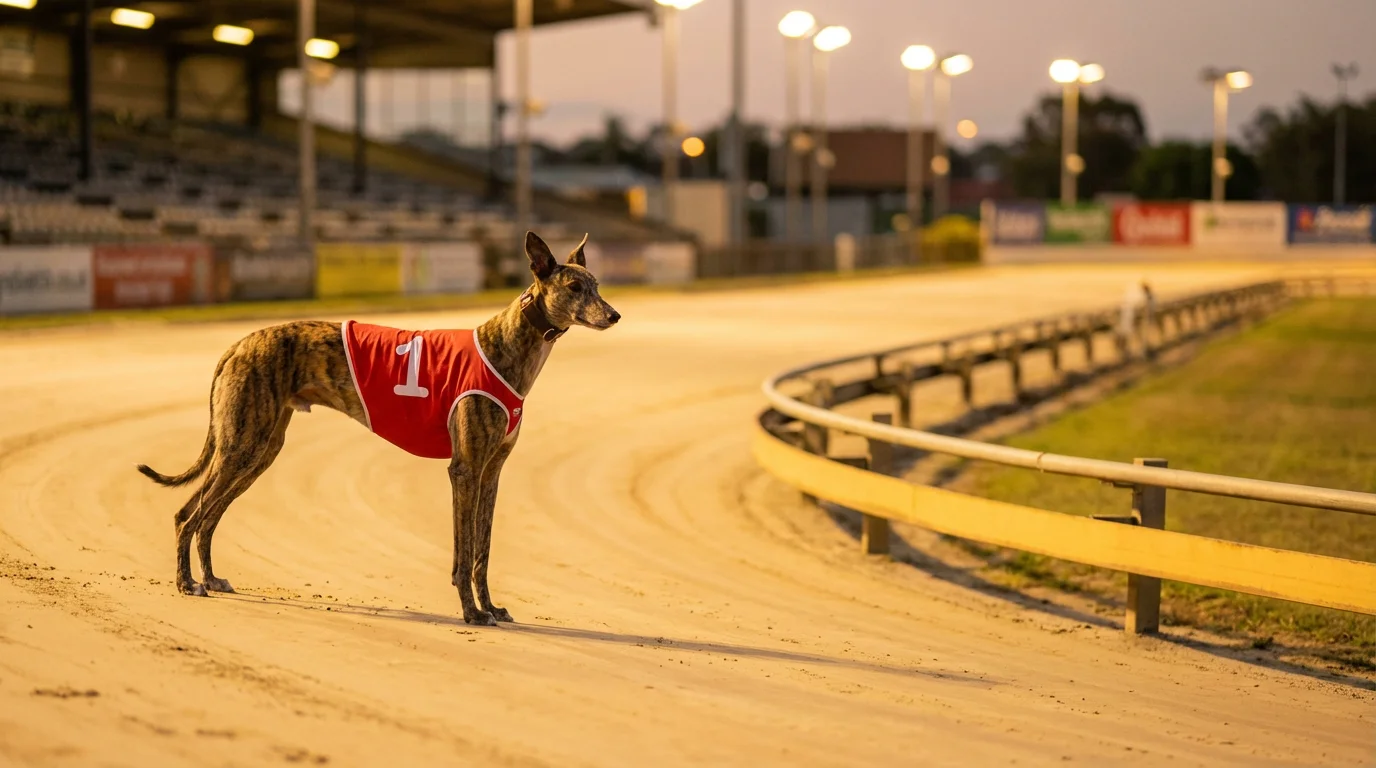
If you’ve bet on greyhound racing before — picking a dog from the race card, watching it run, and collecting or losing within thirty seconds — you already understand the basics. The dogs run, you bet, one of them wins. Ante-post greyhound betting follows the same principle but operates on a different timescale with different rules. Instead of betting on the next race at Romford, you’re betting on who will win the English Derby weeks or months before the first heat is even drawn.
That shift in timescale changes everything. The odds are bigger because the uncertainty is greater. The risks are different because your dog might not even run. And the experience is fundamentally unlike day-of-race betting because you’re making a decision today based on information that will evolve significantly before the event you’re betting on takes place.
This guide walks through the process of placing your first ante-post greyhound bet, explains the risks that catch beginners off guard, and defines the key terms you’ll encounter so that when you do enter a futures market, you know exactly what you’re signing up for.
One thing before we start: ante-post betting is not a beginner’s fast track to profit. It’s a form of wagering that rewards patience, research, and disciplined staking. If you’re new to greyhound racing entirely, spending time with day-of-race betting first — learning how form works, how races unfold, how odds reflect probability — will make you a better ante-post bettor when you eventually move into futures markets.
Your First Ante-Post Greyhound Bet — Step by Step
Placing an ante-post greyhound bet is mechanically similar to any other online bet. The difference is in what you’re betting on and when. Here’s the process from start to finish.
First, find a bookmaker with an active ante-post greyhound market. Not every bookmaker offers them, and they’re only available in the weeks leading up to major events — the English Greyhound Derby, the Irish Greyhound Derby, and the Greyhound St Leger are the most common. On your bookmaker’s website or app, navigate to the greyhound racing section and look for a tab, link, or subsection labelled “Ante-Post,” “Futures,” or “Specials.” This is where pre-tournament markets are listed.
Second, look at the available selections and their odds. The market will list named greyhounds alongside their prices — for example, “Doorus Doolin 16/1” or “Ballymac Doolin 25/1.” These names represent real dogs that are expected to enter the competition, and the odds reflect the bookmaker’s assessment of each dog’s chances of winning the event. Longer odds mean the bookmaker considers the dog less likely to win. The complete list may include anywhere from 20 to 50 dogs for a major event.
Third, select the dog you want to back. Click or tap on its odds to add the selection to your betslip. You’ll see the standard betslip interface: a place to enter your stake, a display of the potential return if the bet wins, and options for win-only or each-way betting. Each-way is worth understanding — it means you’re placing two bets (your stake is doubled) and you win on the place portion if your dog finishes in the top two in the final, even if it doesn’t win outright.
Fourth, enter your stake and confirm the bet. Your account will be debited immediately. The odds you’ve taken are now locked in — this is one of the key advantages of ante-post betting. If your dog’s odds shorten from 25/1 to 10/1 by the time the event starts, you still hold a bet at 25/1. That price is yours regardless of how the market moves after you’ve placed the bet.
Fifth, wait. This is the part that distinguishes ante-post from everything else. Your bet is now live, but the event is weeks or months away. During that time, the dog will continue racing in graded events, may record trial times, and might get injured or withdrawn. You can’t change your bet (unless cash-out is available), and the outcome won’t be known until the final of the event is run. For a dog backed in the English Derby ante-post market in April, settlement might not happen until late June.
That waiting period is where the additional risks of ante-post betting live, and understanding them before you place your first bet is essential.
Understanding the Risks Before You Bet
Ante-post greyhound betting carries two categories of risk that day-of-race betting does not: non-runner risk and information risk. Both can cost you money in ways that feel unfair if you’re not prepared for them.
Non-runner risk is the big one. If the dog you’ve backed ante-post doesn’t participate in the event — due to injury, illness, retirement, or the trainer’s decision not to enter it — your stake is forfeited. You don’t get your money back. The dog didn’t lose the race; it simply never ran. But the result for your bet is the same: total loss. This is the standard rule across all bookmakers for ante-post bets, and it catches many beginners off guard because it doesn’t apply to day-of-race betting, where non-runners trigger a refund.
Some bookmakers offer “no runner, no bet” (NRNB) promotions on specific ante-post greyhound events. Under NRNB terms, if your dog doesn’t run, your stake is returned. This is a promotional offer, not the default, and it’s typically limited to specific events, specific time windows, and specific bookmakers. If NRNB is available, it’s flagged on the market page — look for it before placing your bet, because it significantly reduces your downside risk. If you don’t see NRNB mentioned, assume your stake is at risk if the dog is withdrawn.
Information risk is subtler but equally important. When you place an ante-post bet, you’re making a decision based on the information available today. Between now and the event, new information will emerge — trial results, injuries to rivals, changes in the competition draw, form fluctuations — that may make your selection look better or worse. You can’t update your bet to reflect this new information (unless you cash out at a loss). You’re locked into a decision made with incomplete data, and the data will become more complete over time — just not in a way you can act on.
This is why ante-post odds are longer than day-of-race odds for the same dog. The extra value in the price is compensation for the additional risk you’re accepting: the risk of non-runners and the risk of betting with less information than will eventually be available. If a dog is 16/1 in the ante-post market and 6/1 on the day of the final, the difference reflects the uncertainty you absorbed by betting early. That’s the trade — longer odds in exchange for greater risk.
As a beginner, the most important risk management step is simple: don’t bet more than you’re comfortable losing entirely. Every ante-post bet should be staked at an amount where a total loss — including non-runner forfeiture — doesn’t affect your financial comfort or your enjoyment of the sport.
Key Terms Every Beginner Needs to Know
Ante-post greyhound markets use terminology that can be confusing if you’ve only bet on day-of-race cards. Here are the terms you’ll encounter most frequently, explained in the context of greyhound futures.
Ante-post itself means “before the post” — a bet placed before the event’s official starting process. In greyhound racing, this means betting on a major competition before the heats begin. The term distinguishes futures bets from day-of-race bets, where you’re betting on a specific race that’s about to start.
Non-runner describes a dog that was expected to compete but is withdrawn before or during the event. In ante-post terms, a non-runner means your selection didn’t participate, and under standard rules, your stake is lost. This is different from day-of-race non-runners, where bets are voided and stakes returned.
Each-way (E/W) is a bet type that covers both the win and a place finish. In ante-post greyhound markets, the place terms typically pay one-quarter of the odds for the first two finishers in the final. A £10 each-way bet costs £20 total (£10 on the win, £10 on the place). If your dog finishes second at 20/1, the win portion loses but the place portion returns £60 (£10 × 5/1 + the £10 stake back).
NRNB (No Runner, No Bet) is a promotional concession where the bookmaker agrees to refund your stake if the dog doesn’t run. Not all markets carry NRNB, and it’s usually limited to specific events and time periods. When it’s available, it’s clearly marked on the market page.
Cash out is a feature that lets you settle your bet early for a guaranteed amount, rather than waiting for the event to finish. The cash-out offer fluctuates based on your dog’s current market price. If your selection’s odds have shortened since you placed the bet, the cash-out value will be higher than your original stake — allowing you to lock in profit. If the odds have lengthened, the cash-out value will be lower than your stake, reflecting the reduced chance of winning.
Heats, semi-finals, and finals describe the structure of major greyhound competitions. Most Category One events are knockout tournaments. Dogs compete in heats, the winners and fastest losers progress to the semi-finals, and the semi-final winners contest the final. Your ante-post bet is on the dog winning the final — it needs to survive every round to deliver a return.
Overround (or the “book percentage”) is the bookmaker’s built-in profit margin. If you add up the implied probabilities of all the dogs in an ante-post market, the total will exceed 100% — the excess is the overround. A market with a 120% book means the bookmaker’s margin is roughly 20%. Ante-post greyhound markets typically carry higher overrounds than day-of-race markets because the uncertainty is greater and fewer punters are betting into the book.
Everyone Starts Somewhere
Ante-post greyhound betting is not complicated, but it is different from the day-of-race betting that most punters start with. The odds are bigger, the waiting is longer, the non-runner risk is real, and the information you’re working with is less complete than what you’d have on race day. None of that makes it inaccessible — it just means the first few bets should be small, the expectations should be realistic, and the terms should be understood before money changes hands.
Start with one bet on one event. Pick a dog you’ve researched, stake an amount you’re happy to lose, and watch the event unfold over weeks. Whether the bet wins or loses, the experience of holding a futures position — monitoring form, tracking odds movement, waiting for the heats, watching the draw — teaches you more about ante-post greyhound betting than any guide can convey in words. The learning happens in the doing.
